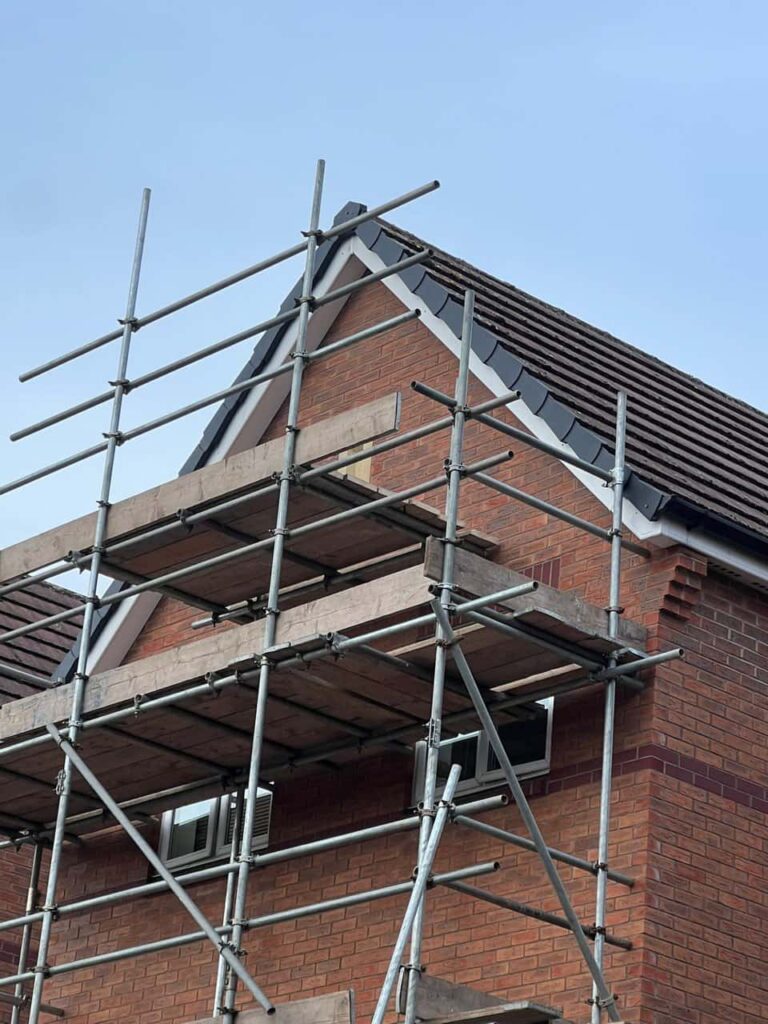
Severe weather can put considerable pressure on a roof, particularly when strong winds and heavy rain affect the property. Roof tiles may become loose, flashing can be damaged and gutters may become blocked or displaced. Some problems are immediately visible, while others remain hidden until water begins to enter the building.
For homeowners in Bingham, Nottingham, checking for signs of roof damage after severe weather can help identify problems before they lead to further deterioration. Bingham Roofing Repairs provides roofing repair services to help assess storm-related damage and restore the roof’s protection.
Common Signs of Storm Damage to Your Roof
After a period of strong winds or heavy rainfall, it is worth looking for visible changes to your roof and drainage system. You should inspect from ground level rather than climbing onto the roof, as wet surfaces and loose materials can make access dangerous.
Missing, Broken or Displaced Roof Tiles
Strong winds can lift or dislodge roof tiles, leaving gaps in the covering that allow rainwater to reach the underlying structure. Tiles may also crack or break when struck by falling branches or other debris.
Look for uneven rows of tiles, obvious gaps along the roof slope or broken pieces on the ground around your property. Even a small area of missing tiles can become a point of water entry during further rainfall.
If you suspect that tiles have moved or broken, arrange a professional roof inspection. Prompt repairs help restore the protective covering and reduce the risk of additional damage.
Damaged Ridge Tiles and Roof Components
Ridge tiles sit along the highest point of a pitched roof and may become loose if their bedding or fixings deteriorate. Strong winds can make an existing weakness more noticeable, leaving ridge sections unstable or displaced.
Other components, including roof edges, verge details and exposed fixings, can also be affected by severe weather. Loose materials should be assessed promptly, particularly if they could fall or allow water to enter the roof.
Problems with Lead Flashing
Flashing protects vulnerable junctions around chimneys, roof valleys and points where the roof meets a wall. Heavy rain and strong winds can expose weaknesses in flashing that has already become loose, cracked or worn.
Signs of damage may include visible gaps around roof junctions, damp patches near chimney breasts or water marks in the loft. As these symptoms can have several causes, a professional assessment is useful for identifying the exact source of the problem.
Blocked or Displaced Gutters
Storms can carry leaves, twigs and other debris into gutters, while strong winds may loosen brackets or move sections out of alignment. If water cannot drain properly, it may overflow onto external walls or collect around vulnerable roof edges.
After severe weather, look for sagging gutter sections, visible blockages and signs of overflow. Keeping the drainage system clear and securely attached helps rainwater move away from the building as intended.
Checking for Signs of a Roof Leak Indoors
Not all storm damage is obvious from outside. Water may enter through a small opening and travel along roof timbers before appearing inside the property.
Check accessible loft areas for damp insulation, water marks or visible moisture around timbers. Inside the home, watch for new ceiling stains, peeling paint, damp patches near upper walls or water appearing after rainfall.
The location of a stain does not always indicate where water entered the roof. Moisture can travel before becoming visible, so identifying the source may require a closer inspection of the roof covering and surrounding components.
If water is entering the property, arrange an assessment promptly. Keep away from wet electrical fittings and avoid entering areas where the ceiling appears swollen or unstable.
What Should You Do If You Find Storm Damage?
If you suspect that your roof has been damaged, take sensible steps to protect the property without putting yourself at risk.
- Record visible damage from a safe position on the ground.
- Move belongings away from affected areas if water is entering indoors and it is safe to do so.
- Place a container beneath a minor leak where appropriate, while avoiding contact with electrical equipment or unstable ceilings.
- Arrange a professional roofing inspection to establish the cause and extent of the damage.
- Avoid climbing onto the roof or attempting to reposition loose tiles yourself.
Prompt attention is especially important when tiles are missing, ridge components appear loose or rainwater is entering the roof space. Temporary measures may sometimes be needed to limit further water entry until permanent repairs can be completed.
Why Professional Roof Repairs Matter After a Storm
Storm damage can affect more than the visibly damaged section of a roof. A missing tile may expose the underlying materials, while displaced flashing or loose ridge components can create additional points where water may enter.
A professional roofer can assess the roof covering, inspect vulnerable junctions and check related components to determine what needs attention. Depending on the findings, repairs may involve replacing broken tiles, securing loose sections, restoring flashing or addressing damage to the drainage system.
Bingham Roofing Repairs helps homeowners in Bingham, Nottingham, identify storm-related roofing problems and arrange suitable repairs. Addressing the underlying fault helps restore the roof’s weather protection and reduces the risk of recurring issues.
How to Reduce the Risk of Future Storm Damage
Although severe weather cannot be prevented, regular roof maintenance can help identify weaknesses before the next storm arrives.
Arrange periodic inspections, particularly if your roof is older or has previously developed leaks. Keep gutters clear, address loose tiles when they are identified and ensure that flashing and ridge components remain in good condition.
Paying attention to minor defects before severe weather occurs can help reduce the likelihood of existing weaknesses becoming more serious problems.
Conclusion
Storm damage can affect roof tiles, flashing, ridge components and gutters, sometimes creating problems that are not immediately visible. Checking for warning signs after severe weather and arranging prompt professional repairs can help protect your property from further deterioration.
If you have noticed missing tiles, damaged roof components or signs of a leak at your property in Bingham, Nottingham, contact Bingham Roofing Repairs to discuss your concerns and arrange a suitable roofing inspection or repair service.
Call us on: 0115 647 1193
Click here to find out more about Bingham Roofing Repairs
Click here to complete our contact form and see how we can help with your roofing needs.